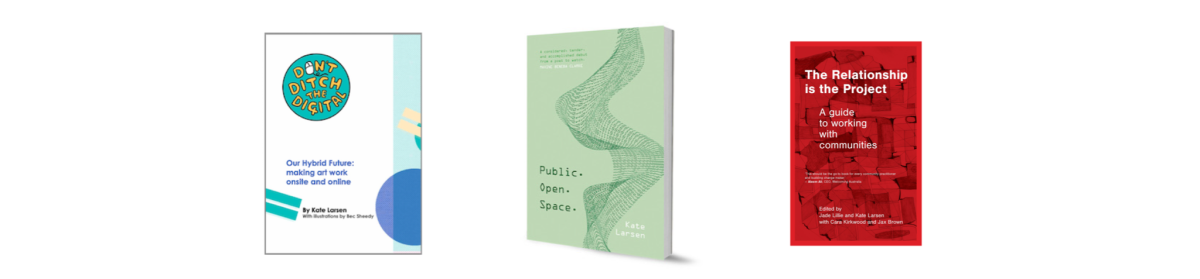
In a nothing-short-of-extraordinary writing year, 2023 included the launch of my debut poetry collection, completion of the next edition of The Relationship is the Project, self-publication of my grandmother’s memoir, neiphling’s picture book and family musical, articles in three literary journals, new poems in print and online, and more.
Continue reading “My 2023 writing year”Category: Writing
And another thing: the politics of publishing
As I mentioned at my Warrane/Sydney launch of Public.Open.Space. in November 2023, the sad state of the world makes it uncomfortable to talk about book stuff right now, which has made me even more grateful that my book is about control and protest, silencing and speaking up.
Because writers, artists, anyone with a platform, and anyone living on or benefiting from unceded land have an obligation to use our platforms to do so, to listen, learn, interrogate that learning, insist on media justice and speech free of bias and hate, and to recognise and act on our responsibilities.
Continue reading “And another thing: the politics of publishing”Resilience for writers
Over the last year, I transitioned from literary-helpmate to trade-published poet. Suddenly, many of my own writing dreams have come true. Seeing my book in a bookshop. Launching it at my childhood library. Hearing authors I adore say nice things about my work. Doing so surrounded by friends, colleagues and writerly comrades from all parts and paths of my life.
This has been both an extraordinary privilege and a sobering induction into the realities of writerly life, much of which I had previously experienced only from one step removed – from the industry’s reliance on an author’s personal ability to hustle to the level of work versus the level of (financial) reward.
Continue reading “Resilience for writers”Digital poetry in Australia, China and Hong Kong
Over the past three decades, digital platforms have become a significant global player in the development and dissemination of poetry.
Like other online art forms, the creation and consumption of digital poetry has grown further and faster since the COVID-19 pandemic—as more people turned to poetry to make sense of the changing world and shared that poetry through one of the only platforms available to them during that time.
Continue reading “Digital poetry in Australia, China and Hong Kong”Beyond the governance gaps
Past and present board members and those who support our boards—I want to thank you. In the machine of arts, cultural and not-for-profit governance you are one of our most necessary cogs: legislated, expected and required. From statutory authorities to volunteer-run collectives, you underpin all of our work.
The skills you must wield are varied and plentiful, yet your presence, consideration and time receive little or no remuneration—and often little thanks. But your work is a literal gift, an extraordinary, mandated generosity—without which our organisations would not be allowed to exist.
Continue reading “Beyond the governance gaps”National reading symposium wrap-up
Australia is a nation of readers, with reading the second most popular way we engage with art, culture and creativity (after listening to recorded music). Yet 44% of us have low or very low literacy, 25% haven’t read a book in the last year, and recent research shows a 7% drop in the number of young people reading for pleasure.
Nearly double the number of Australians engage in reading every week than playing or watching sport, but sport takes place in the public realm and is so is seen as more integral to and defining of the Australian identity – including receiving significantly more investment.
Continue reading “National reading symposium wrap-up”WritingWA reviews Public.Open.Space.
Huge thanks to Jess Checkland, whose review of Public. Open. Space. was published by Writing WA this week.
Continue reading “WritingWA reviews Public.Open.Space.”Poetry lesson plans
Poetry is EVERYWHERE and EVERYONE can read, write and enjoy it.
To coincide with the launch of Public. Open. Space., I released four short videos for teachers, librarians and workshop leaders on how to incorporate poetry and technology activities into your workshops and lesson plans.
Continue reading “Poetry lesson plans”ArtsHub reviews Public.Open.Space.
Huge thanks to Esther Anatolitis, whose speech from this week’s Public. Open. Space. launch in Naarm/Melbourne has now been published by ArtsHub.
Continue reading “ArtsHub reviews Public.Open.Space.”Public. Open. Space. on The Garret podcast
“I think it’s important for writers to bump up against our level of comfort and to question the assumptions and the privilege that we carry with us. That’s not always a comfortable process.”
I had a lovely chat with Astrid from The Garret pocast about poetry, arts funding and The Relationship is the Project following the launch of Public. Open. Space. in June.
Continue reading “Public. Open. Space. on The Garret podcast” LARSEN | KEYS